Metrosideros polymorpha
ʻōhiʻa · ohia lehua
Found naturally nowhere else on Earth.
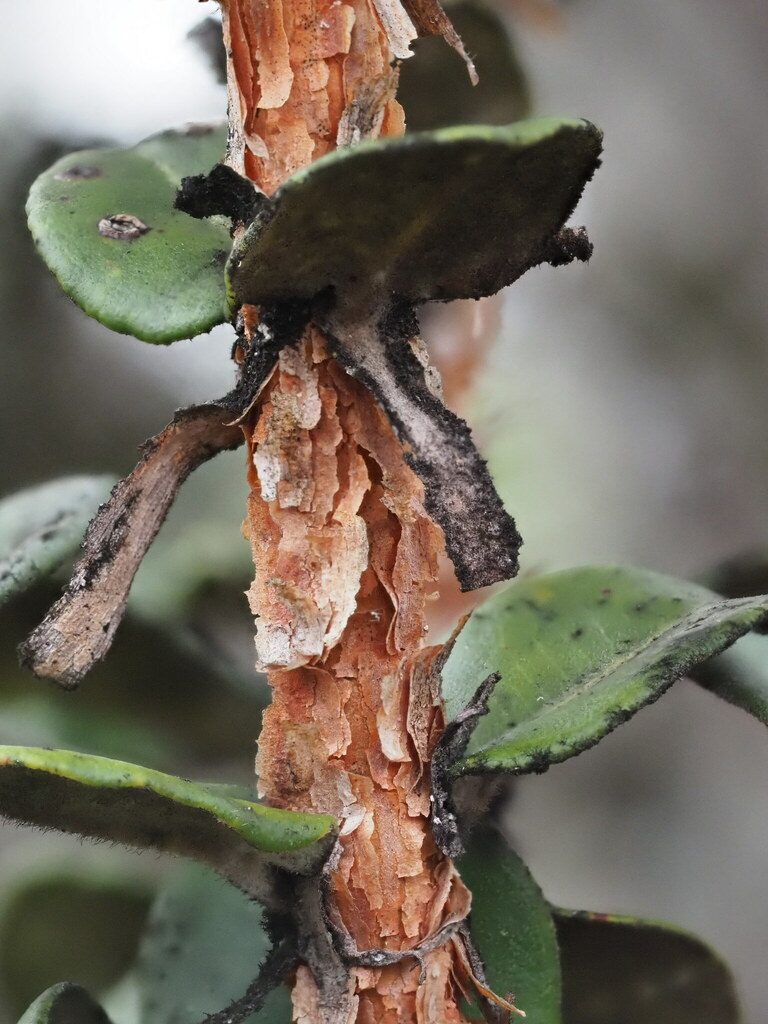
The dominant canopy tree across nearly every Hawaiian forest type and the most abundant native tree in the archipelago. Keystone species currently threatened by Rapid ʻŌhiʻa Death (Ceratocystis fungal pathogens).
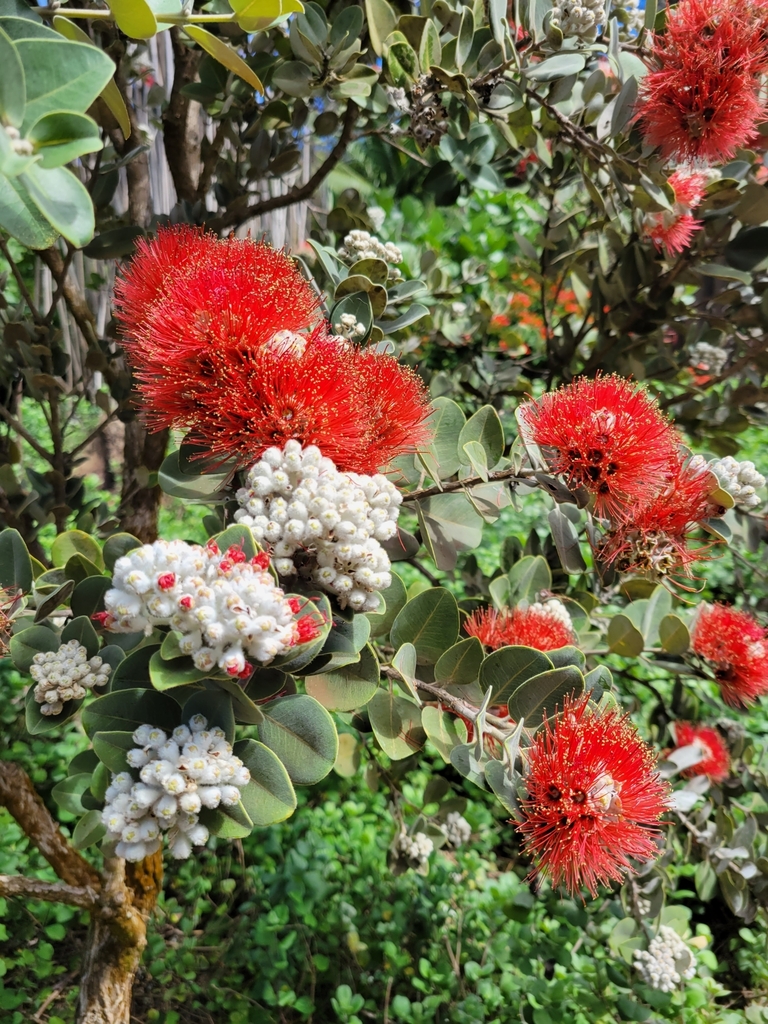
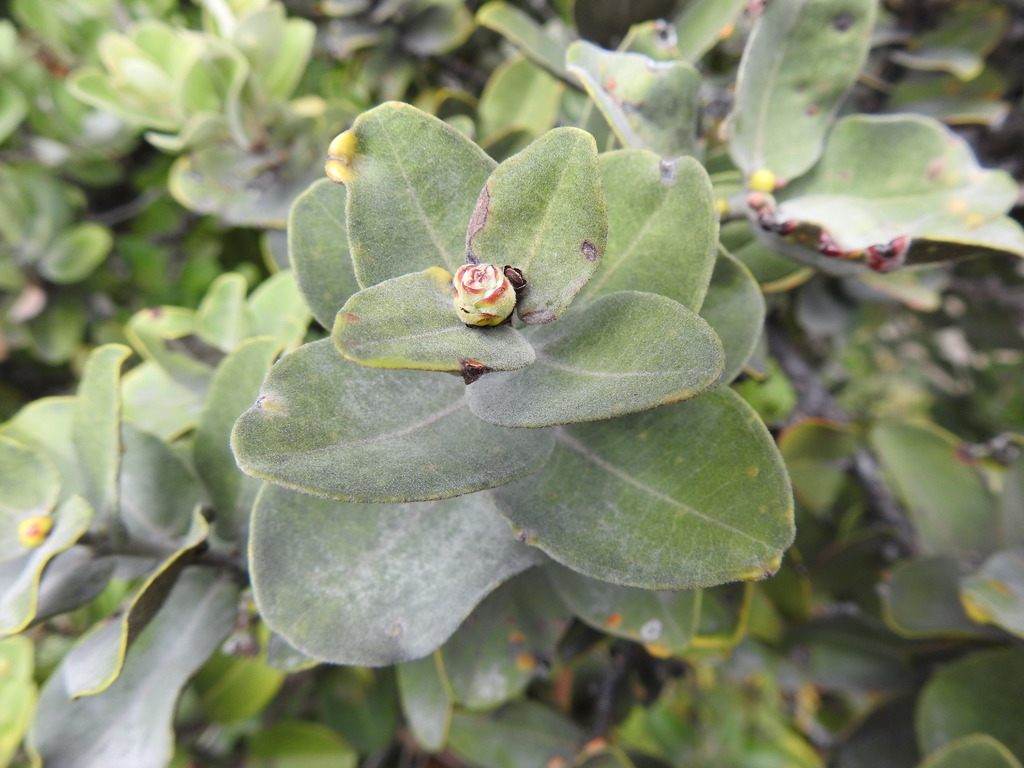
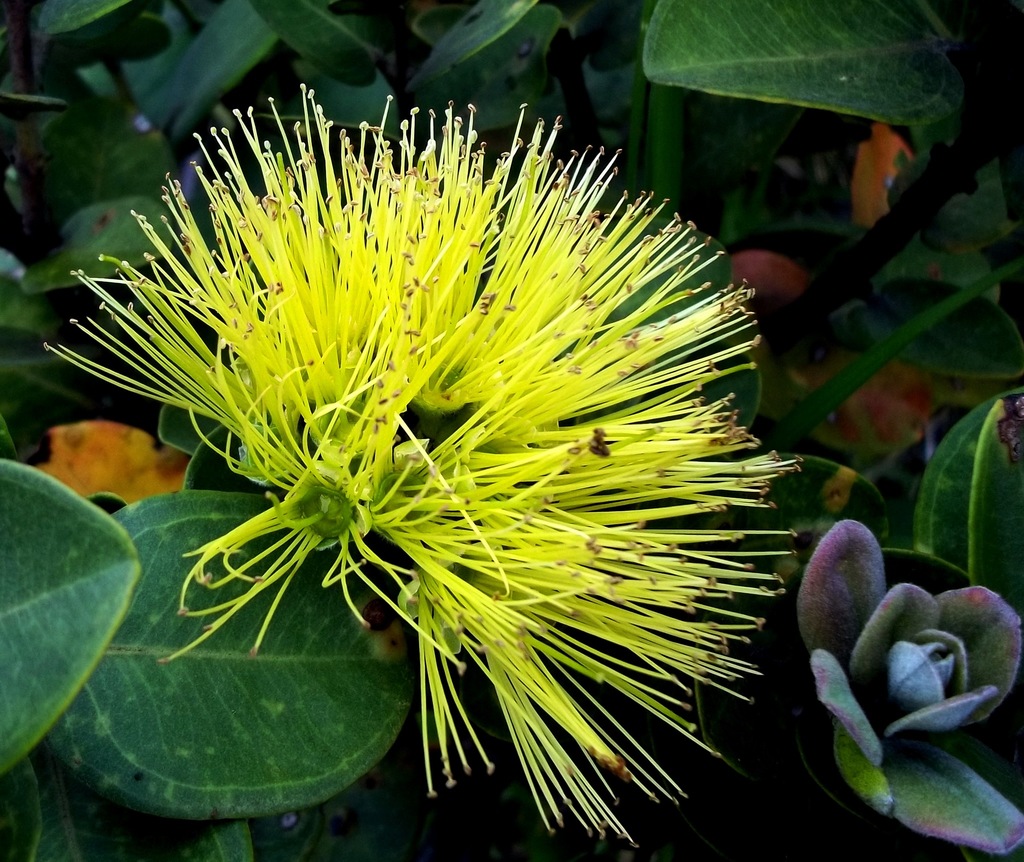
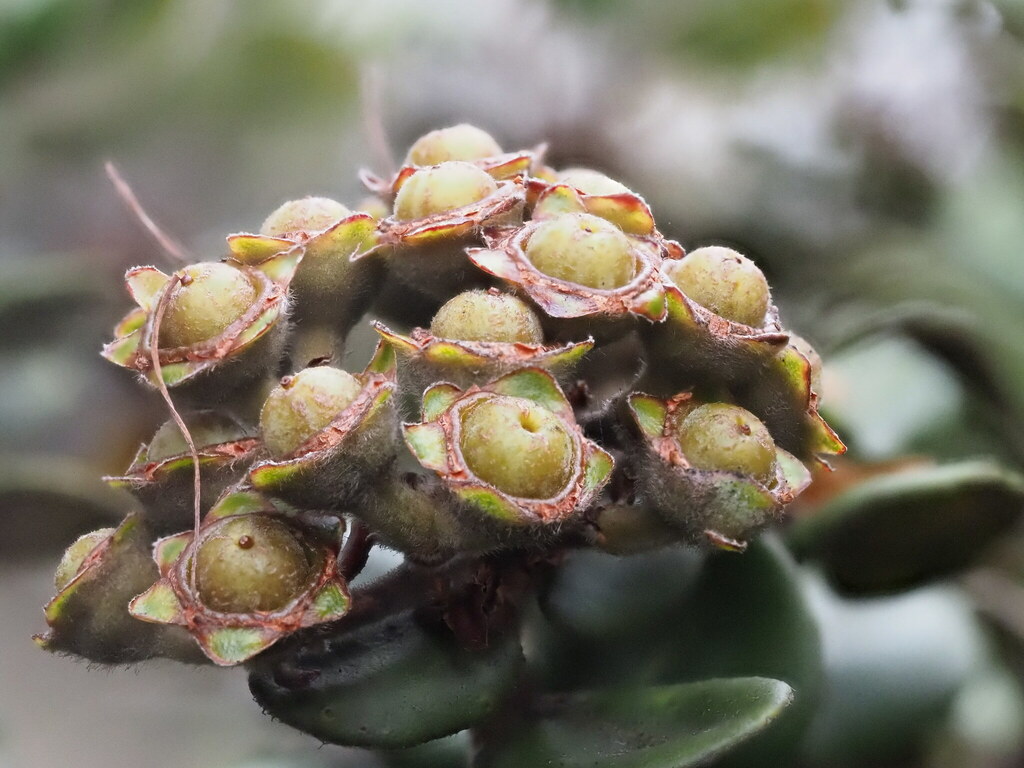
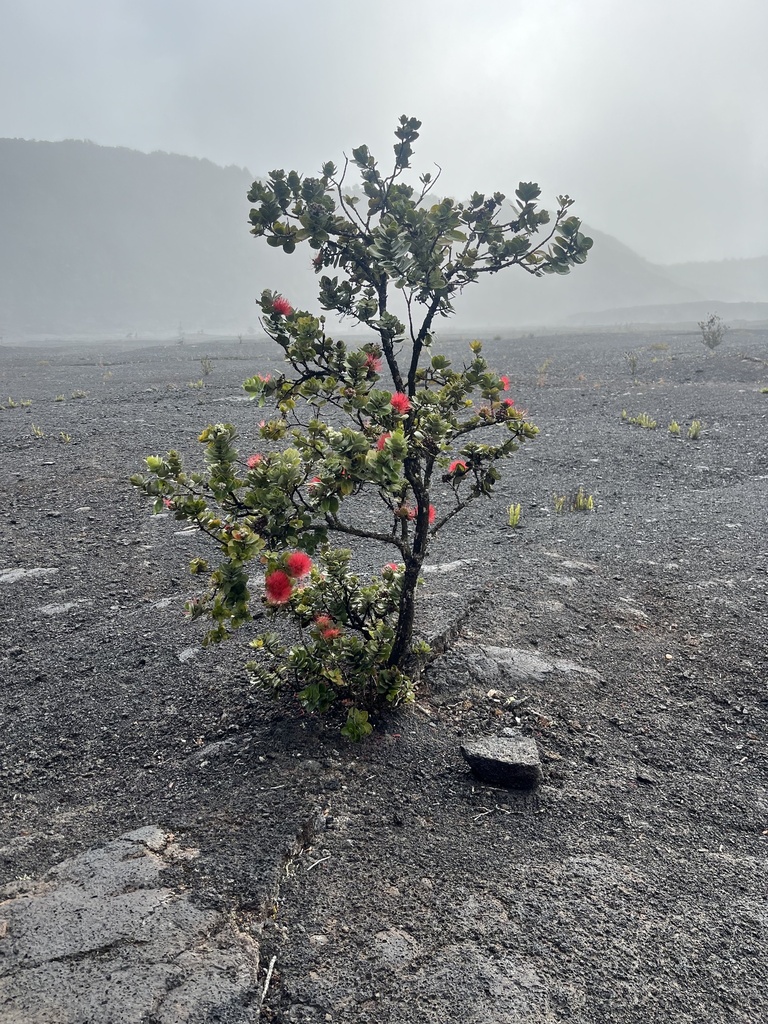
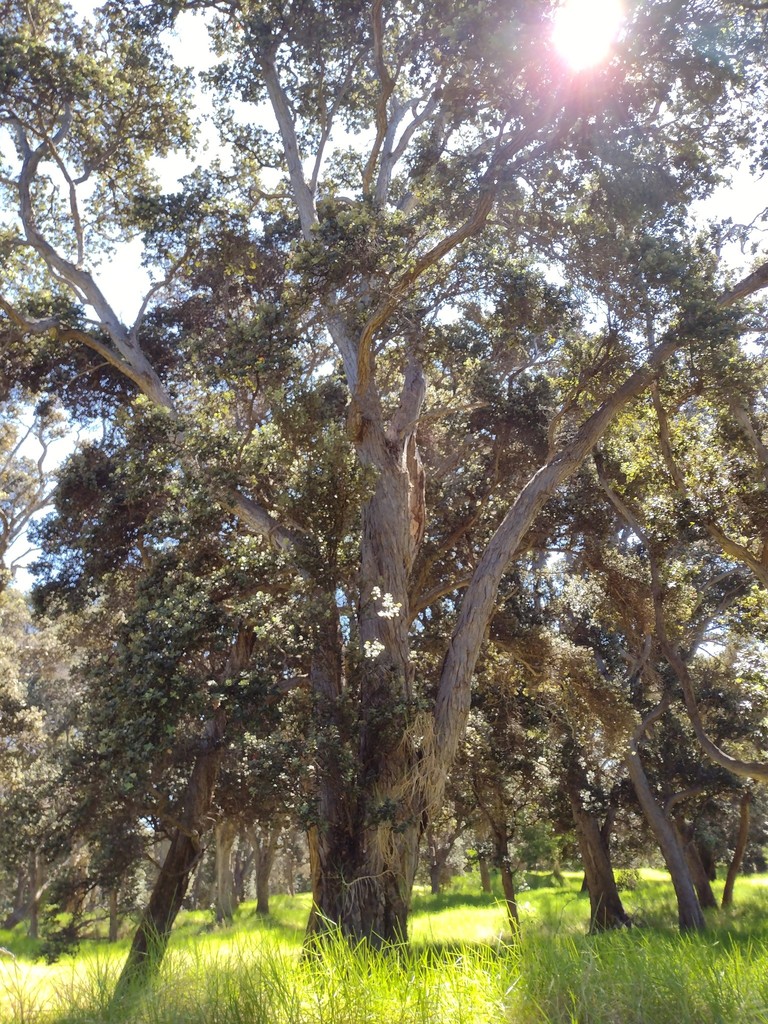
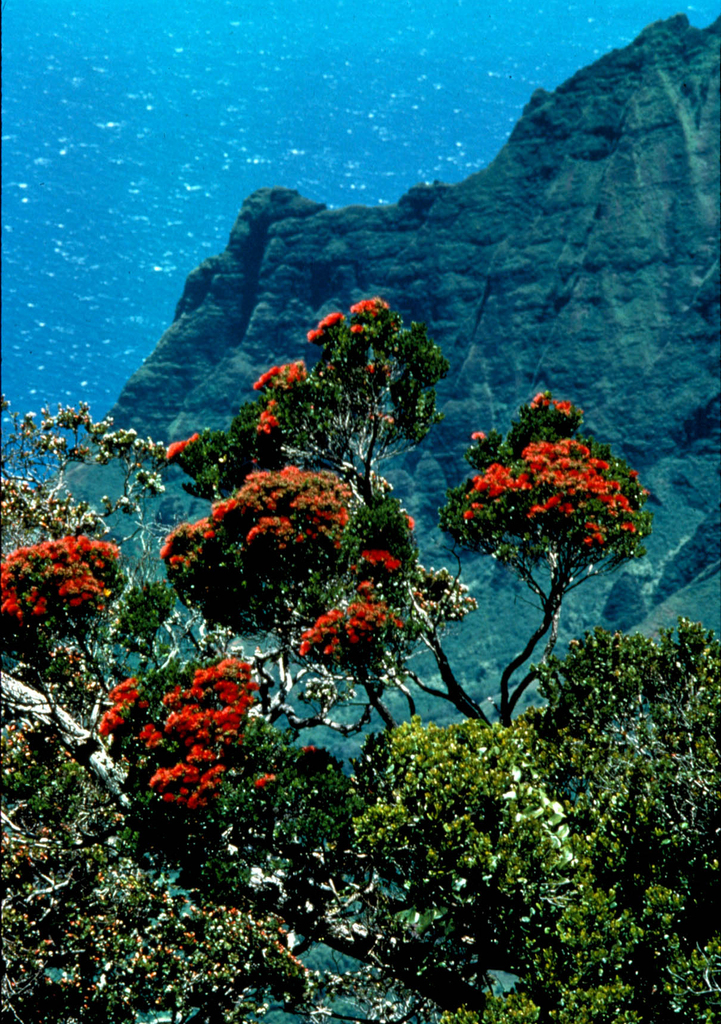
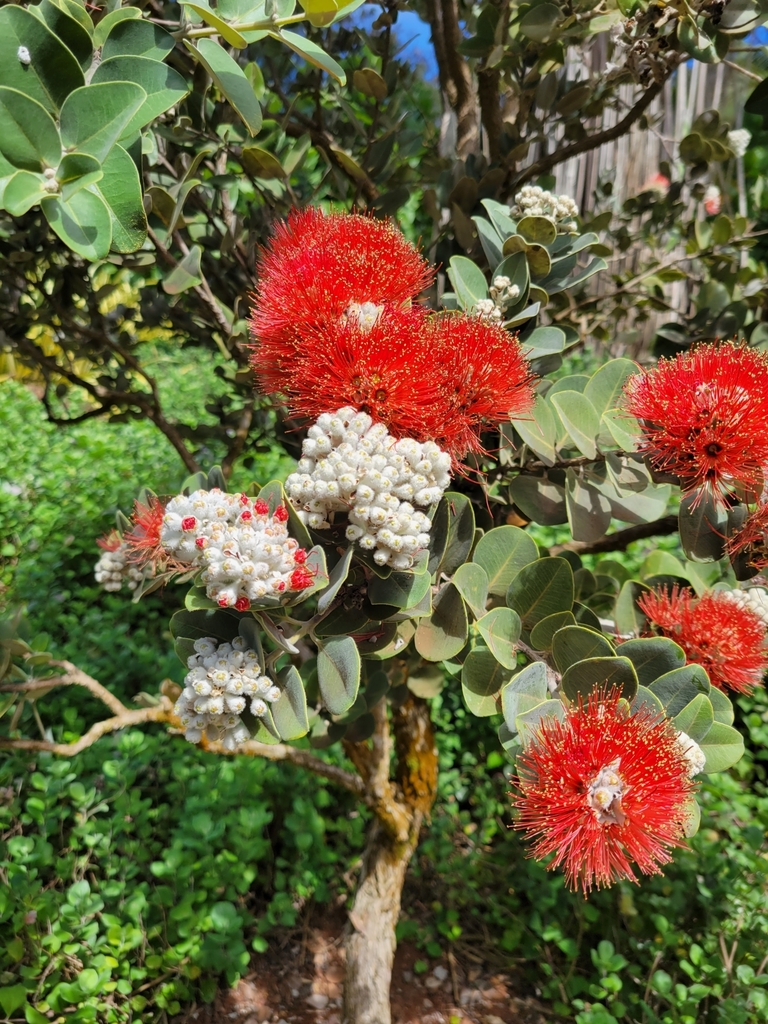
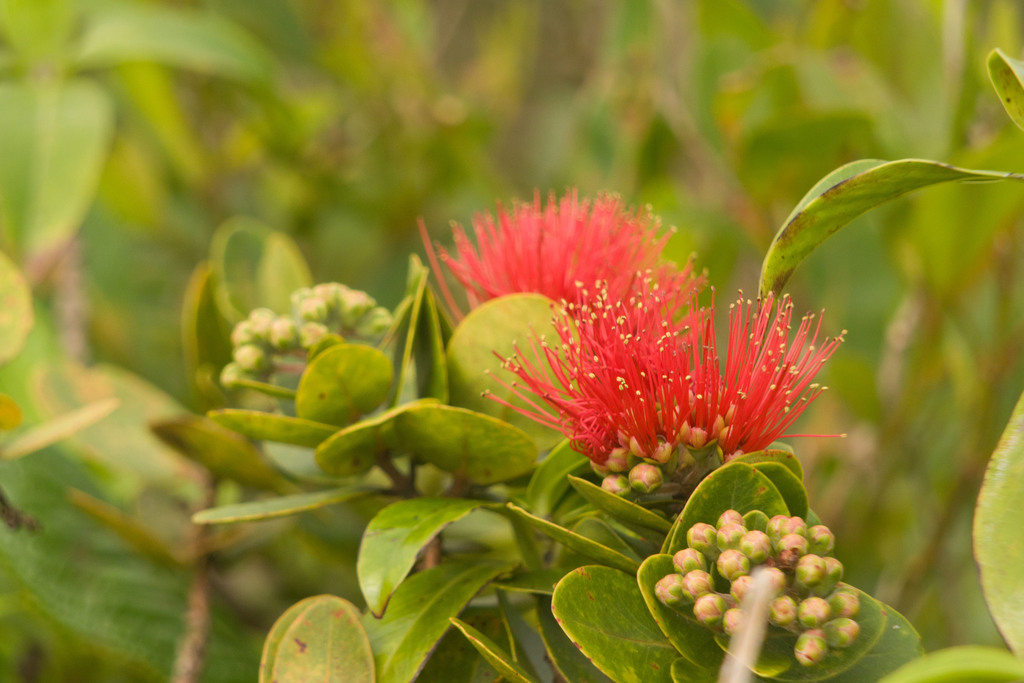
Metrosideros polymorpha, the ʻōhiʻa lehua, is a species of flowering evergreen tree in the myrtle family, Myrtaceae, that is endemic to the six largest islands of Hawaiʻi. It is a highly variable tree, being 20–25 m (66–82 ft) tall in favorable situations, and a much smaller prostrate shrub when growing in boggy soils or directly on basalt. It produces a brilliant display of flowers, made up of a mass of stamens, which can range from fiery red to...
Read more on Wikipedia →This is an inference, not a schedule. The curve reflects when observers annotated flowering and fruiting — which tracks observer effort as well as plant behavior, and pools all elevations and islands into one signal. Hawaiʻi’s microclimates vary enormously; a species may fruit in January at sea level and June at elevation. Use this to know when to look, then look.